
01How Fall Arrives
HOW FALL ARRIVES IN BEEF COUNTRY
What changes, month by month.
Foliage, the fair, where the witch trials actually started, and a Beef on the way.
A Beef is rare roast beef, sliced thin, on a toasted buttered roll.

Somewhere in the middle of the day there’s a Beef, eaten in the car with the heat on and the windows fogging.
Behind a Danvers business park, a pear tree planted before 1650 still drops fruit every fall. Then comes the first cold morning, or some years an early nor'easter. There's less light at both ends of the day, and the sun hits the Great Marsh at a lower angle. Somewhere in the middle of the day there's a Beef, eaten in the car with the heat on and the windows fogging.
This guide starts in the orchards, stops at the Topsfield Fair, heads past Salem's crowds to the house where Rebecca Nurse lived, and runs to Thanksgiving morning.
What changes, month by month.
The kids go back to school and the beaches empty out. Tomatoes are still coming in, apple picking has started and high school football is back.
It’s a sweater in the morning, off by noon and back on by late afternoon. The Topsfield Fair opens, and apple picking is in full swing.
The woods get going, the marsh on Plum Island goes gold and fall migration moves through Parker River. Crews race the Head of the Charles.
Salem is packed. A few miles away, the 1692 story is quieter, at the Rebecca Nurse Homestead in Danvers and on Old Burial Hill in Marblehead.
Most leaves are down and the boats are shrink-wrapped. The seasonal clam shacks and ice cream windows close. The Beef counters don’t.
Thanksgiving morning belongs to the high school rivalry games. Malden and Medford have played since 1889.
WHEN THE LEAVES CATCH UP
Fall color here runs around ponds and reservoirs, along old stone walls and right down to the water. On the coast, even the salt marsh changes color.
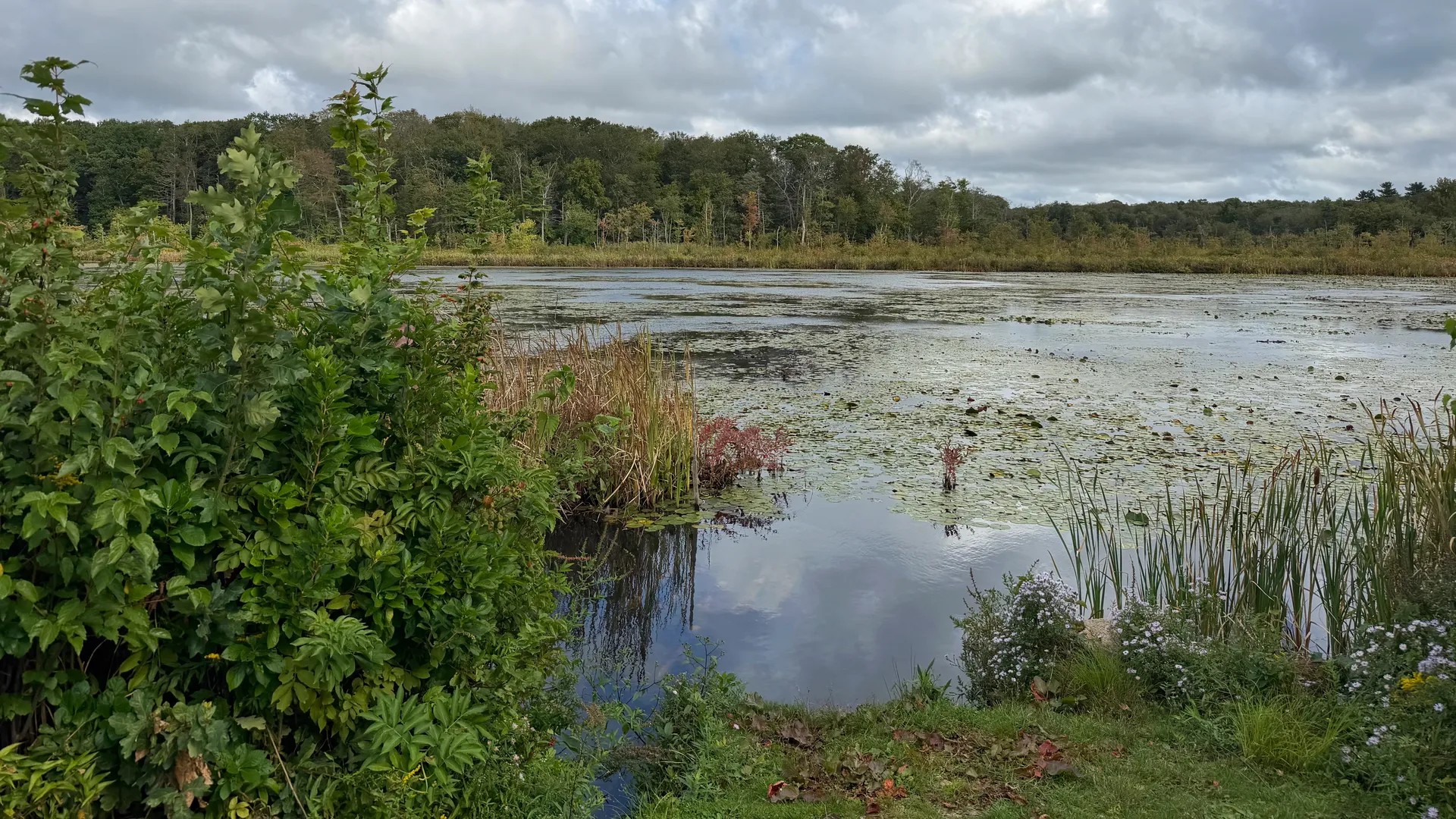
A quiet loop around a pond on a college campus in Wenham, with trails that keep going into Chebacco Woods.
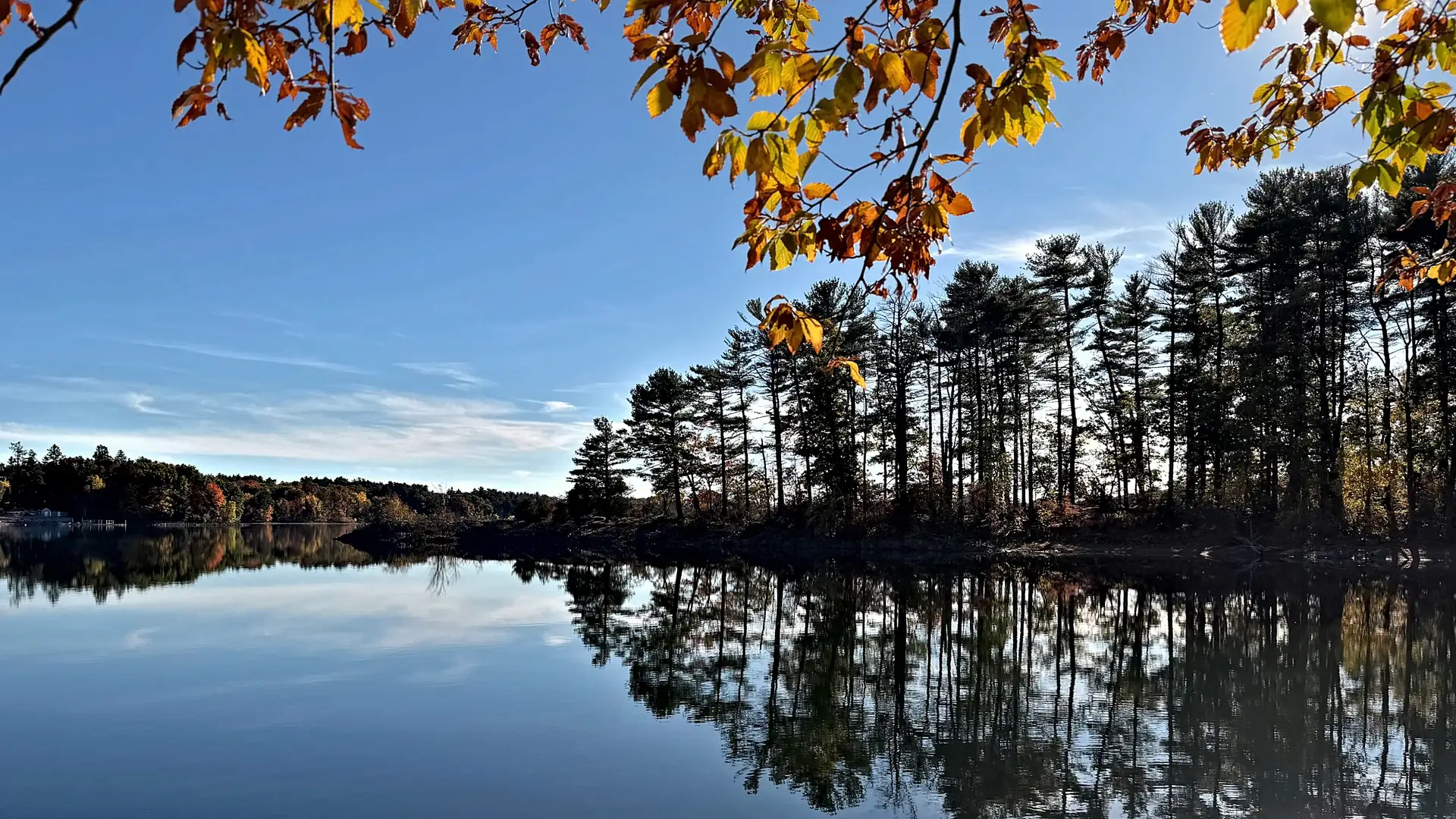
Wooded trails, rocky overlooks and reservoir views, with fall color six miles from downtown Boston.
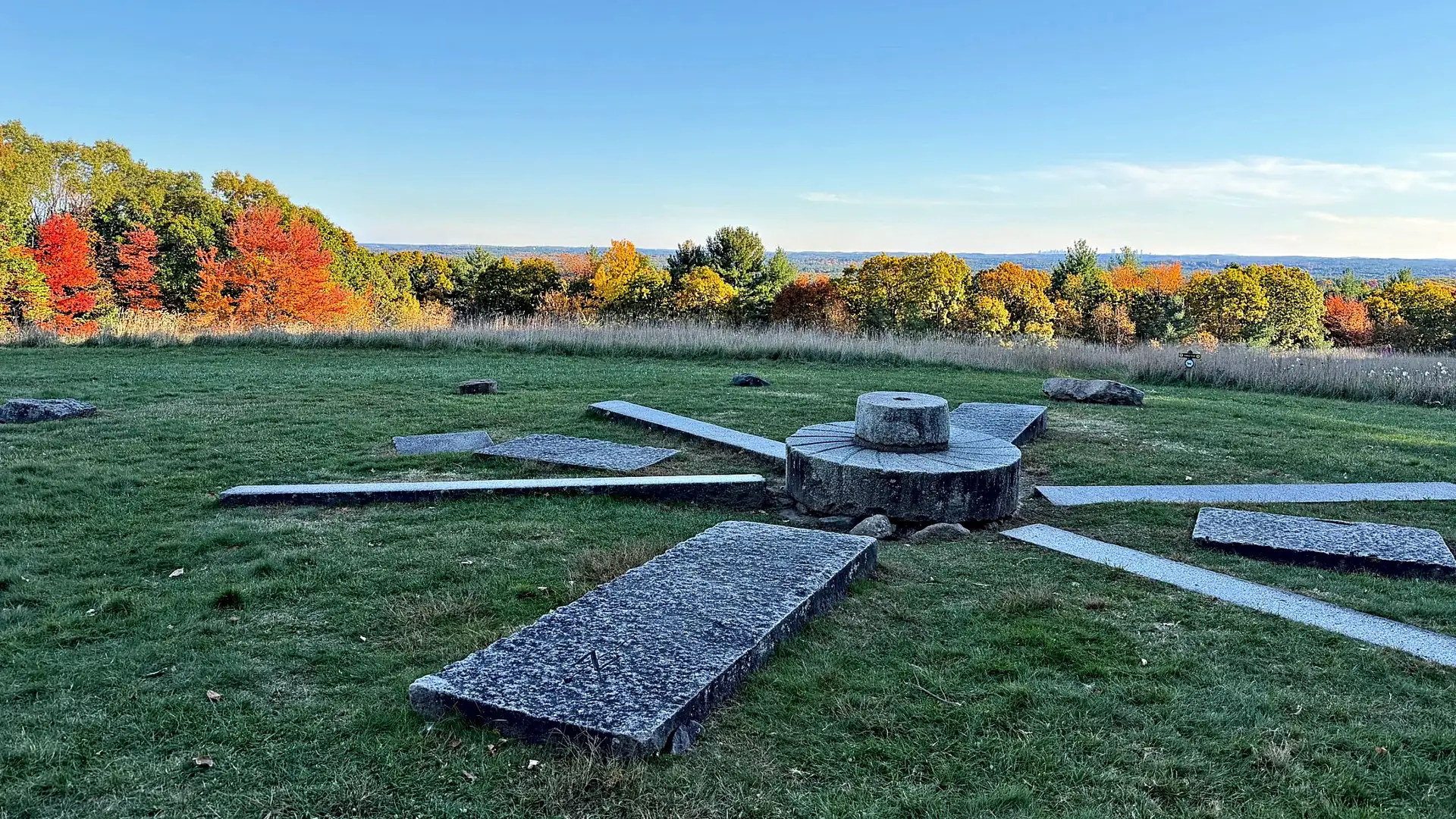
The highest point in Essex County, with the Solstice Stones on top and Boston on the horizon on a clear day.
Orchards and farms
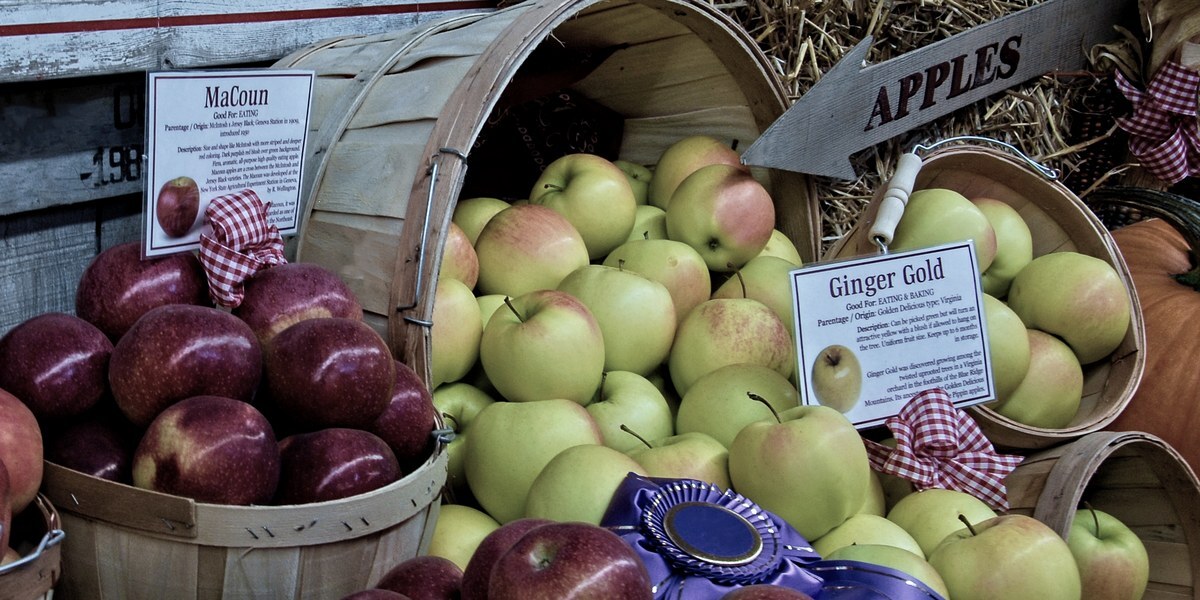
The cider donuts are warm again. Cars are parked on the grass, and somebody is carrying a bag of apples that got heavier somewhere between the tree and the parking lot.
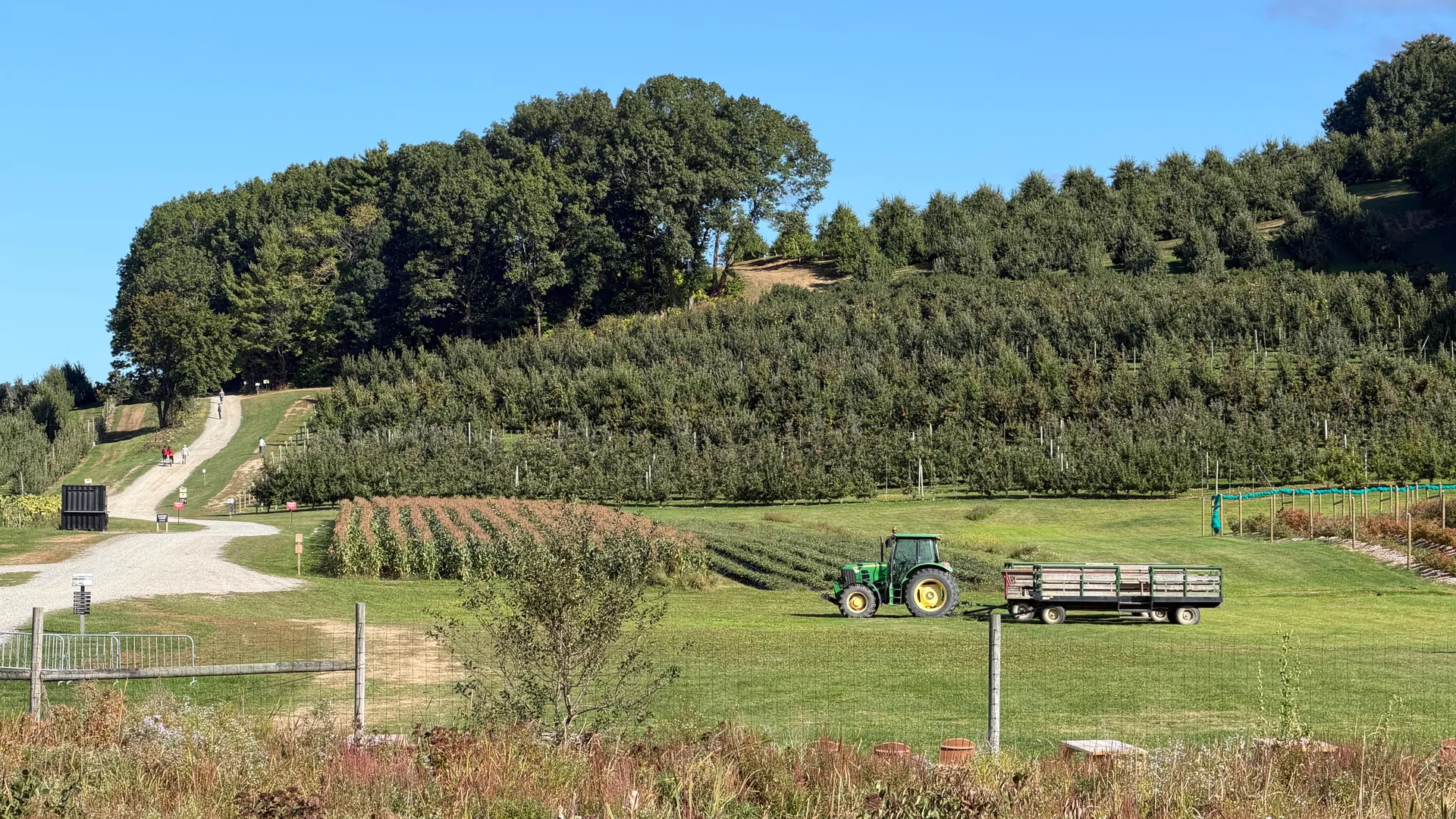
Apple picking, cider donuts made daily and weekend hayrides, with goats and chickens for the little kids.
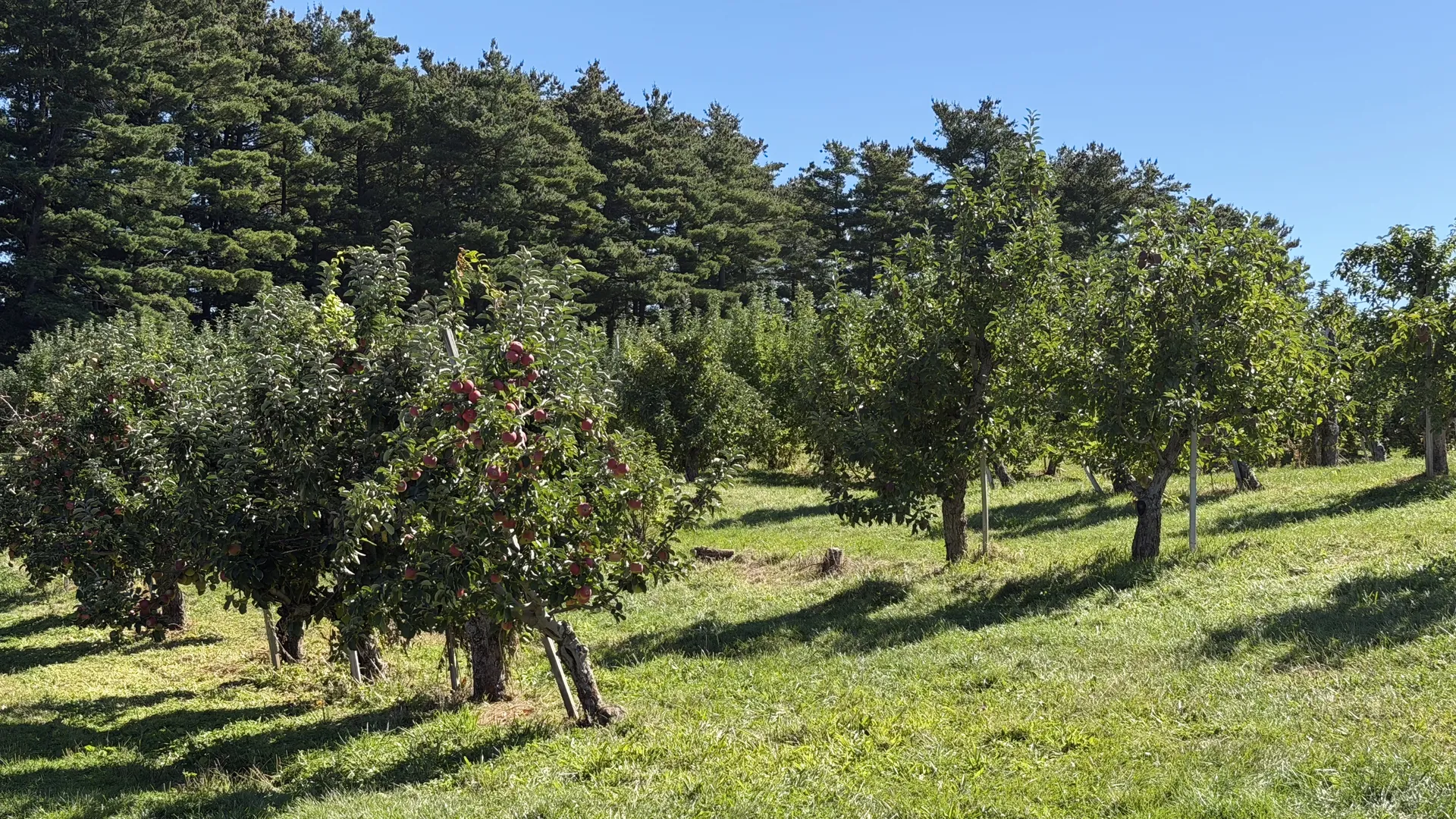
Fall Festival weekends with pumpkin picking and a beer and wine bar for the grown-ups.
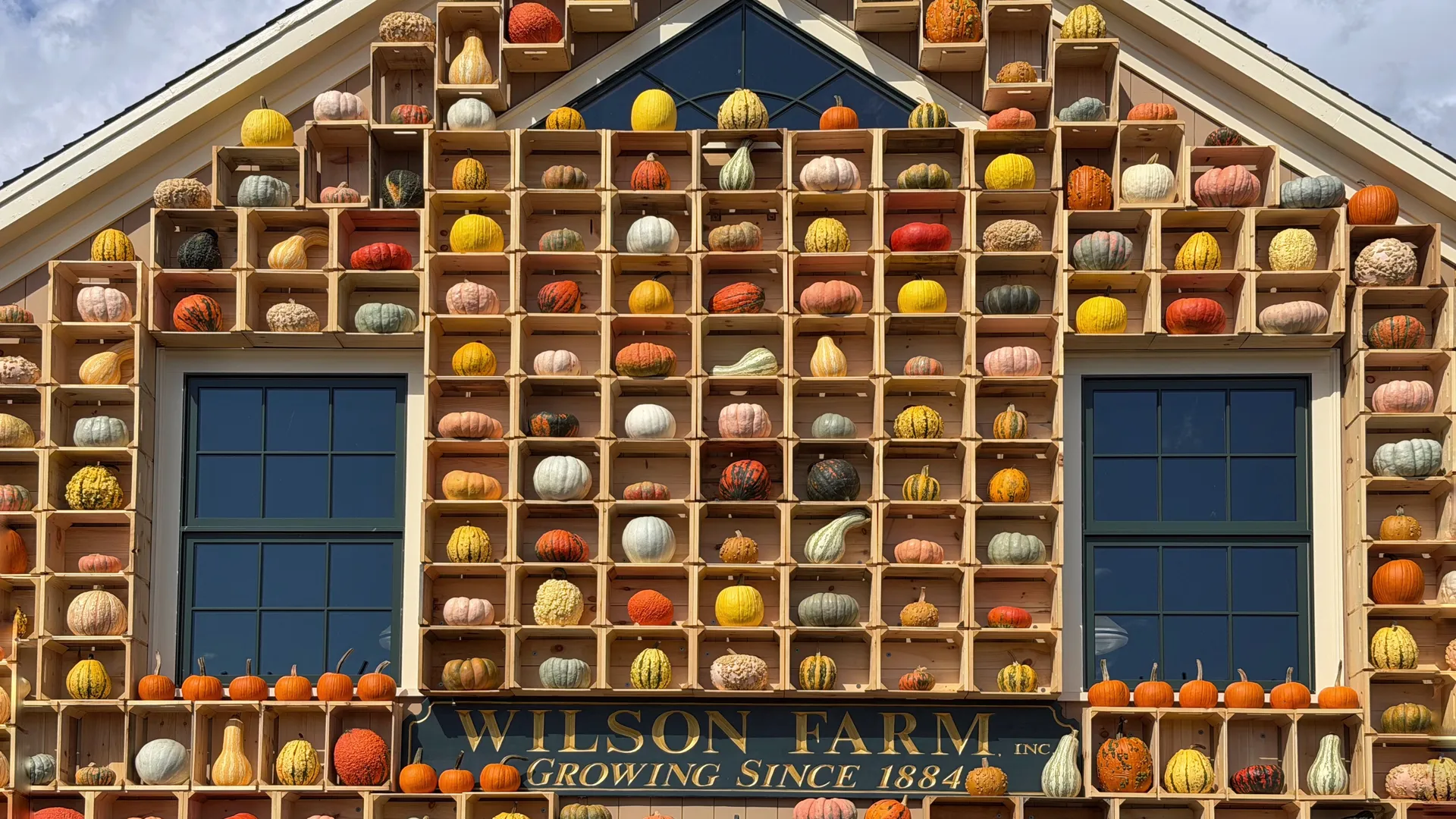
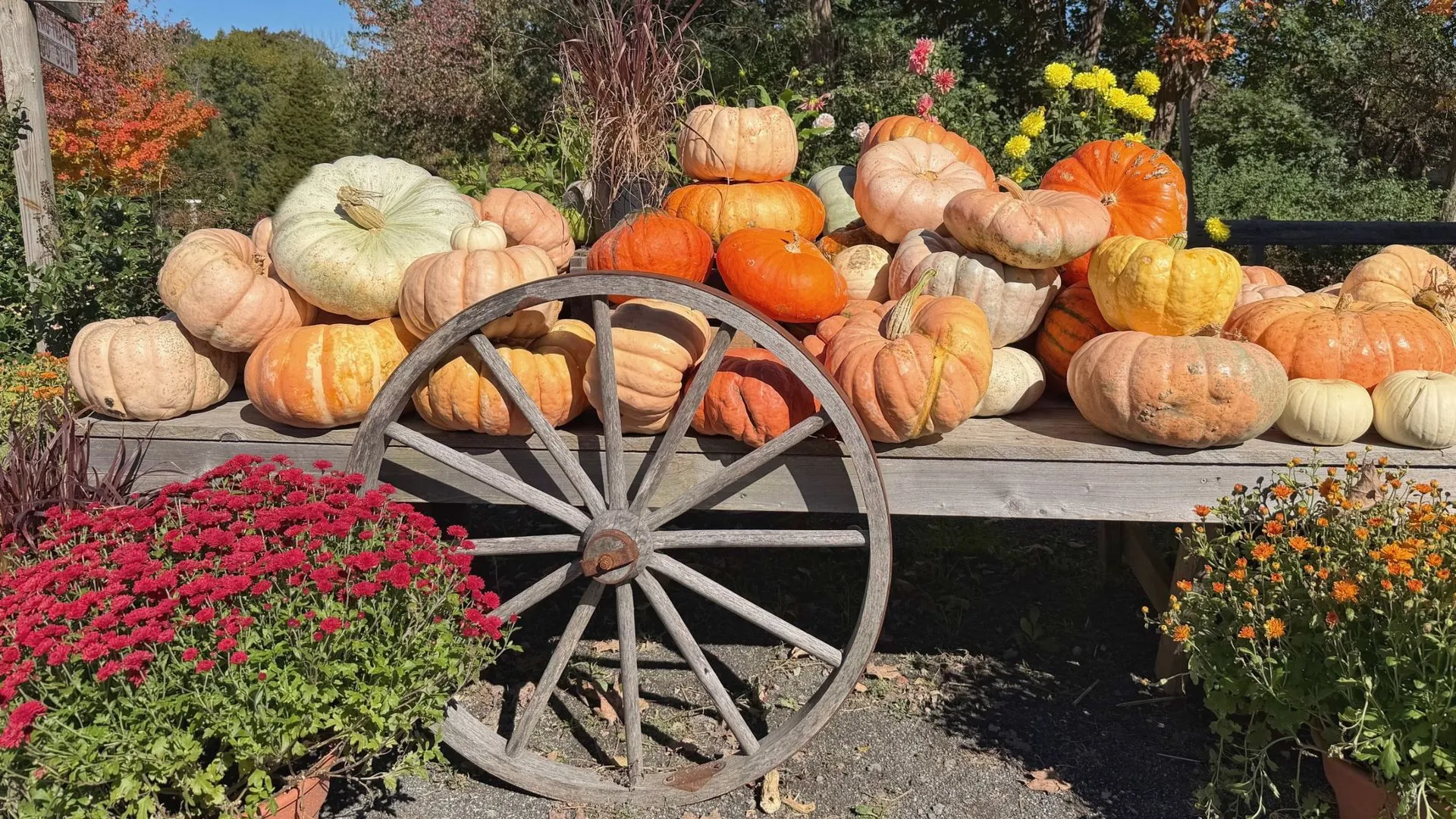
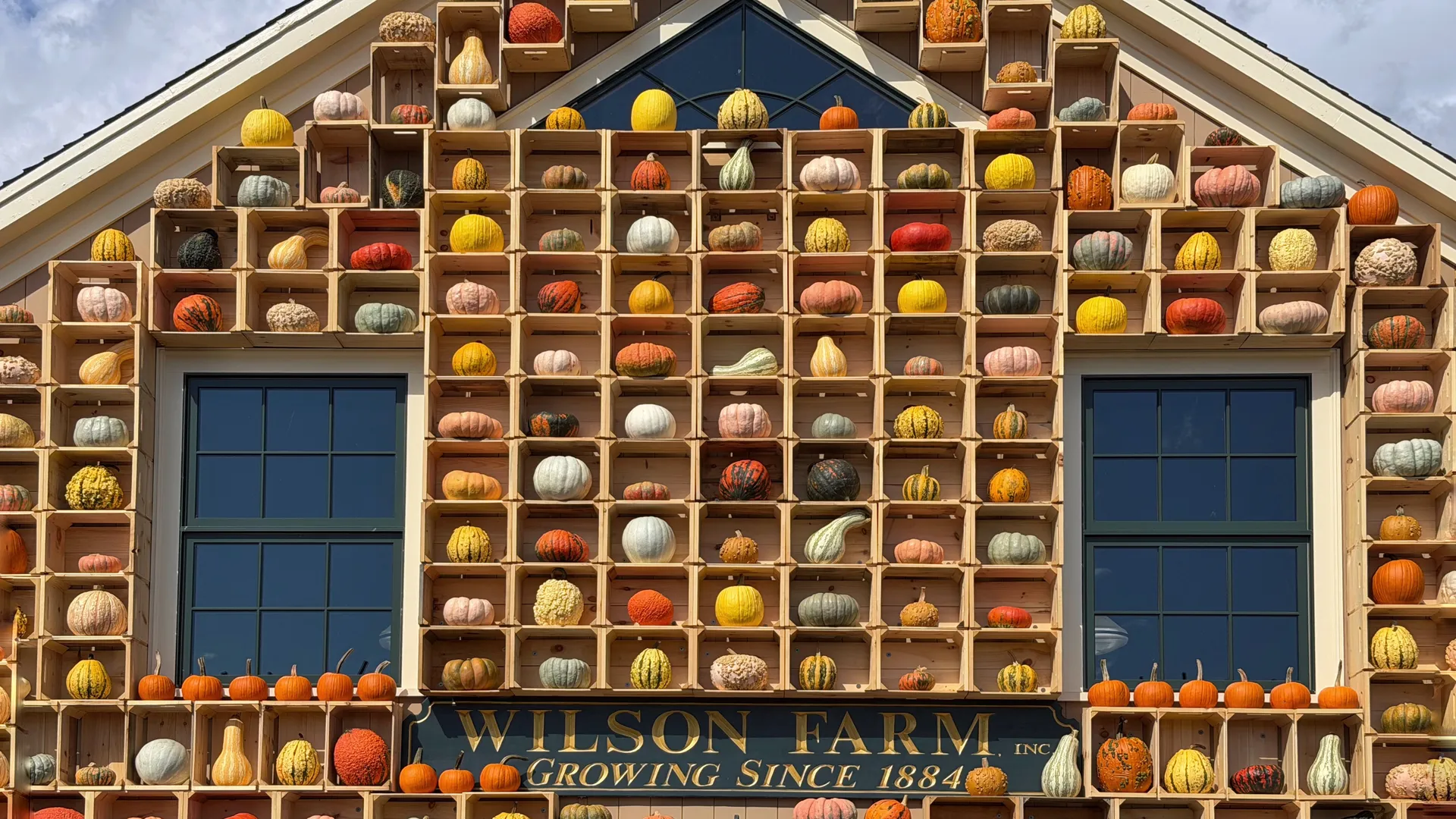
The Pumpkin Wall goes up out front. Try to leave with only the thing you came for.
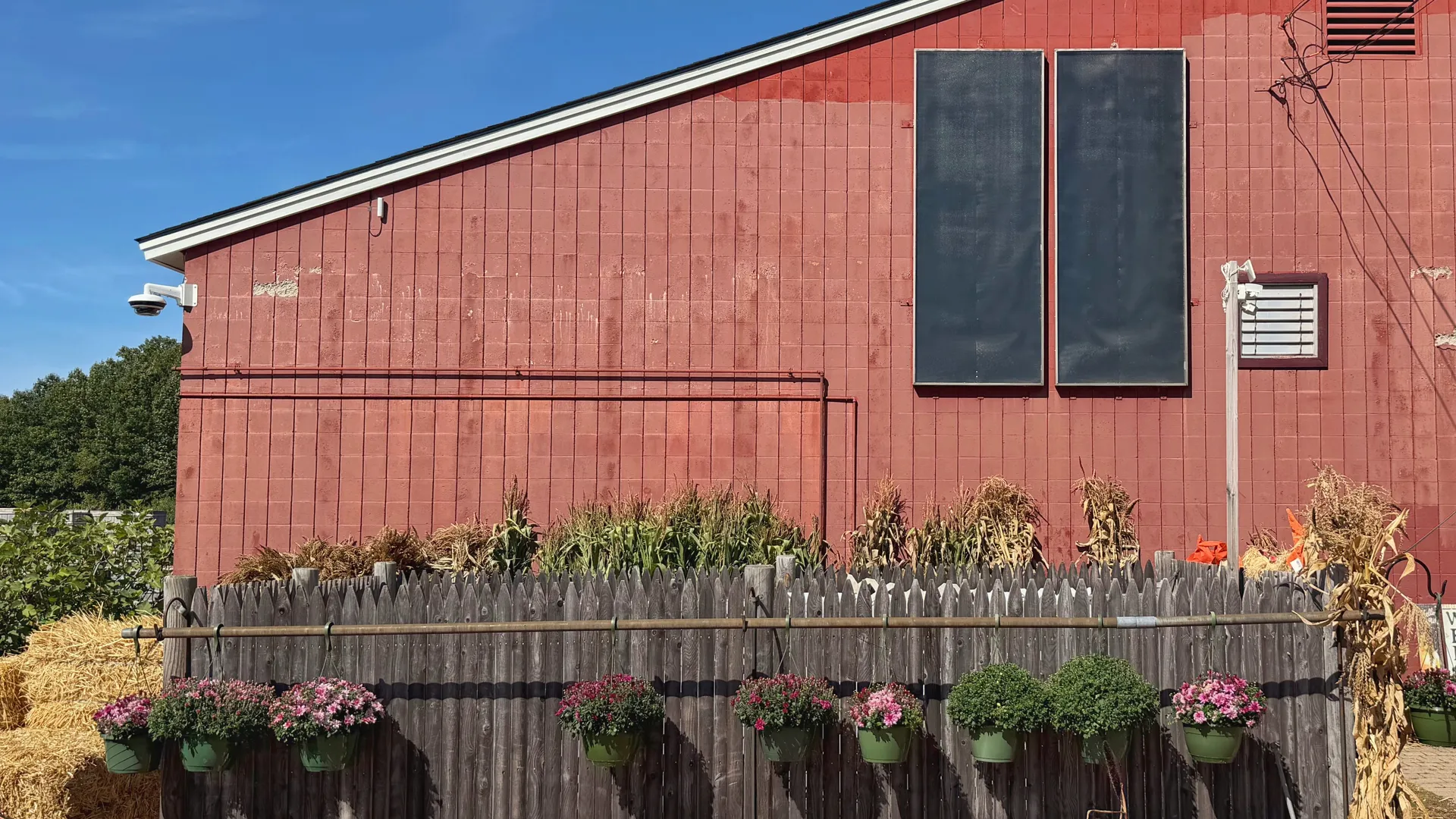
Brooksby Farm in Peabody almost became condominiums. Residents fought it, and in 1976 the city bought it. It’s still city-owned, and in fall families come to pick apples and pumpkins on land Peabody decided not to lose.
Russell Orchards is farther north, on Argilla Road in Ipswich. Dr. Joseph Goodale planted the first trees here in 1920, as a pastime for his son. The farm later passed to his farm manager, Kenneth Macleod, who ran a cider mill on the southern corner.
When Macleod went to sell, neighbors bought the land themselves and had the Essex County Greenbelt Association write an agricultural restriction so it could never be developed. The Russells, the third family to farm it, bought it with the restriction in place and renamed it.
Make a Saturday of it: Russell Orchards first, a Beef in Ipswich, then the rest of Argilla Road toward Castle Hill and Crane Beach.
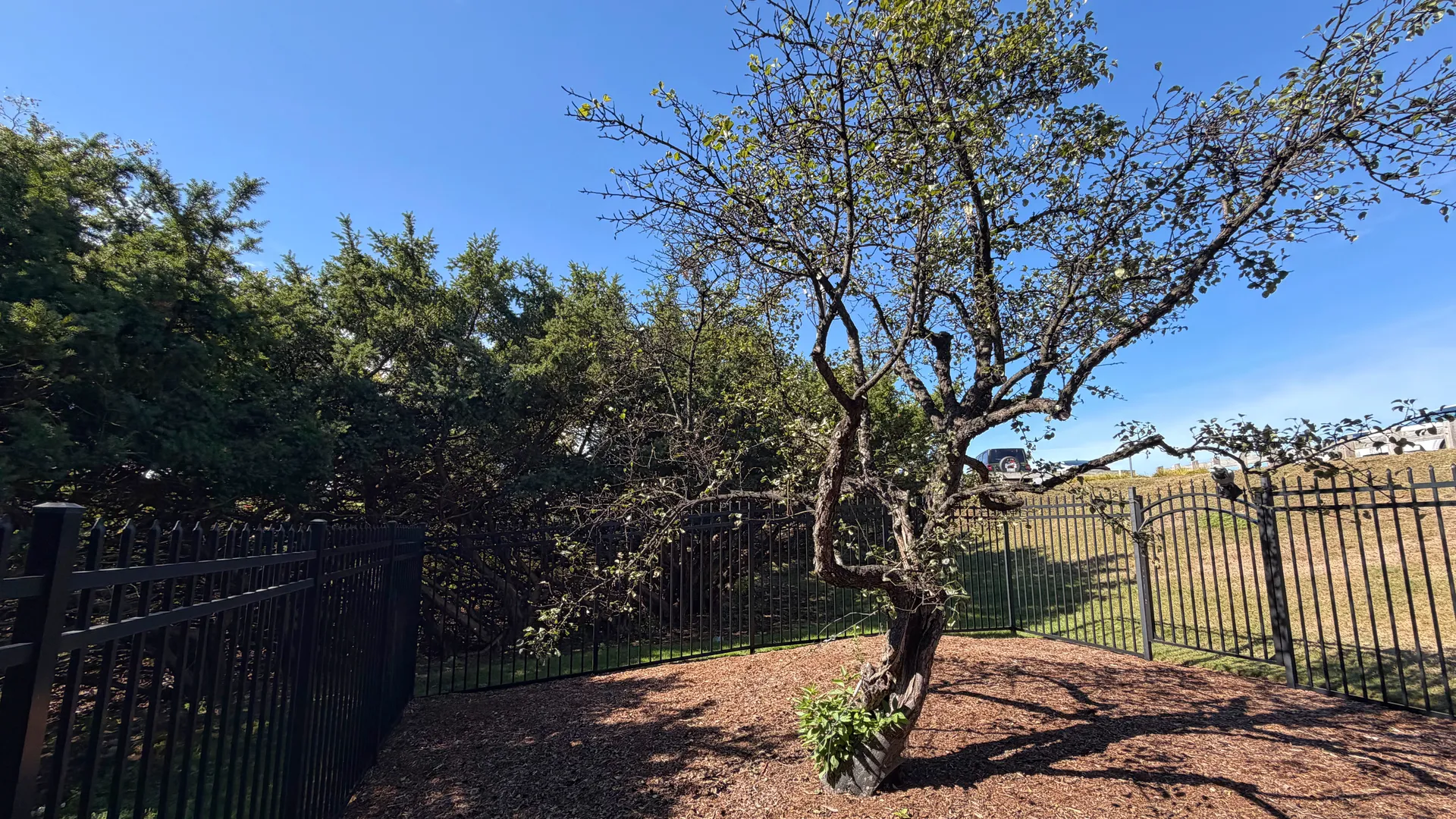
John Endecott, an early governor of the Massachusetts Bay Colony, planted a pear tree on his Danvers farm. Tradition says 1630. Historians say sometime before 1650.
The farm is gone. The tree is still standing, behind a business-park lot off Endicott Street, and it still drops pears every fall.
In 1809, the Salem diarist William Bentley sent some of its pears to John Adams. Adams later planted cuttings from the tree at his farm in Quincy and wrote that he hoped they’d be “a Comfort to some good Citizens two hundred years hence.”
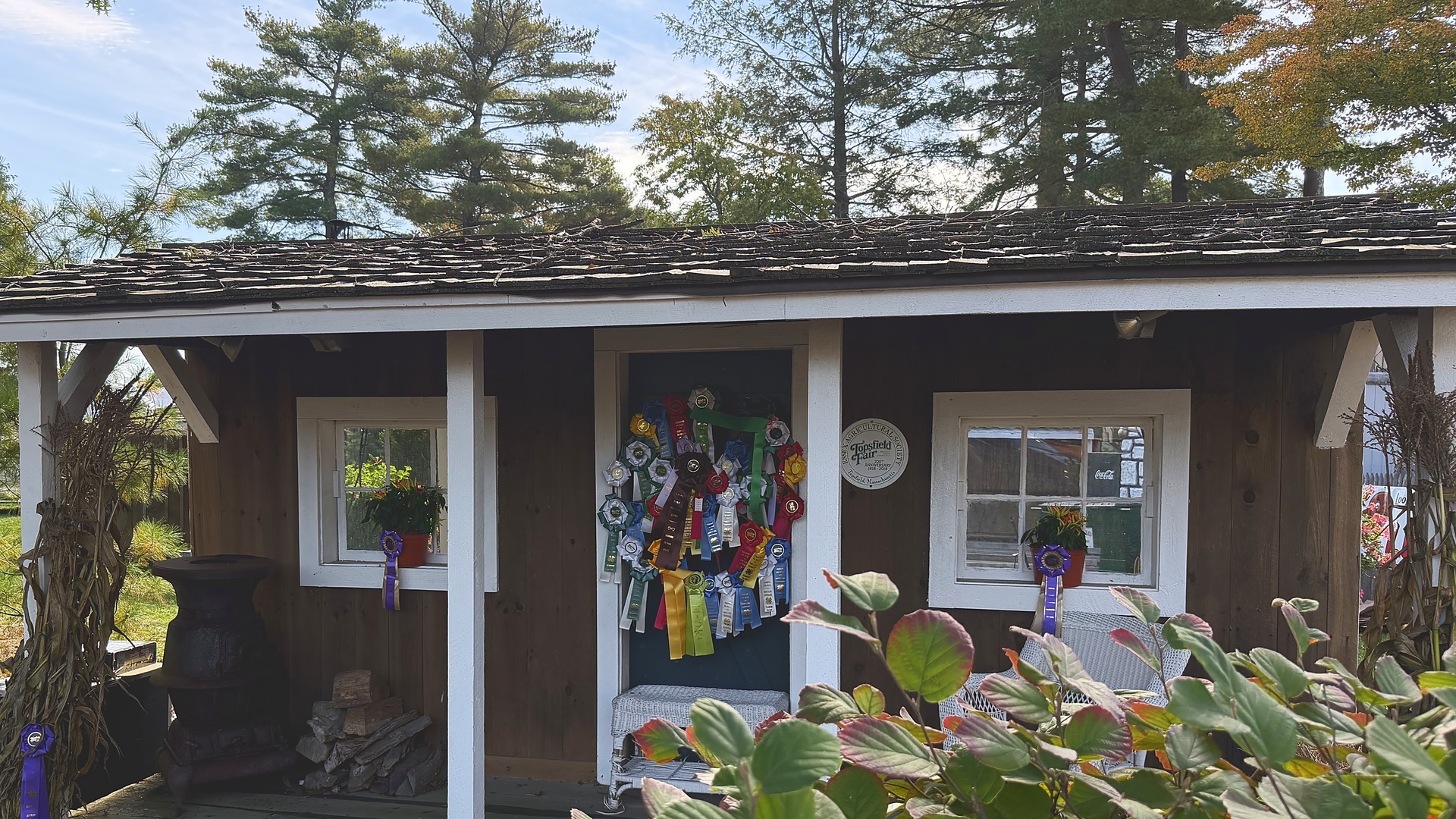
The Fair moved around Essex County for 90 years before Topsfield ever had it.
The Essex Agricultural Society formed in 1818 and held its first cattle show in 1820. The show went to Haverhill, Danvers, Ipswich, Beverly and other towns, and spent 15 years in Peabody. In 1910 it settled in Topsfield for good, on a farm a Salem doctor had left the Society in 1858 on the condition that it be used to advance agriculture.
Agriculture is still underneath all the midway noise. There are cattle and horses, rabbits and poultry, 4-H competitions, flowers and Grange displays. Then there’s the All New England Giant Pumpkin Weigh-Off. The world’s first one-ton pumpkin was weighed here in 2012.
The fairgrounds run to 83 acres now, with 13 agricultural buildings and around 10,000 exhibitor entries, and the Fair draws 400,000 to 500,000 people a year.
There’s also fried food, rides, crowds and traffic on Route 1. Save room for a Beef on the way home anyway.
Livestock barns, giant pumpkins and Grange exhibits, with the midway running through the middle.
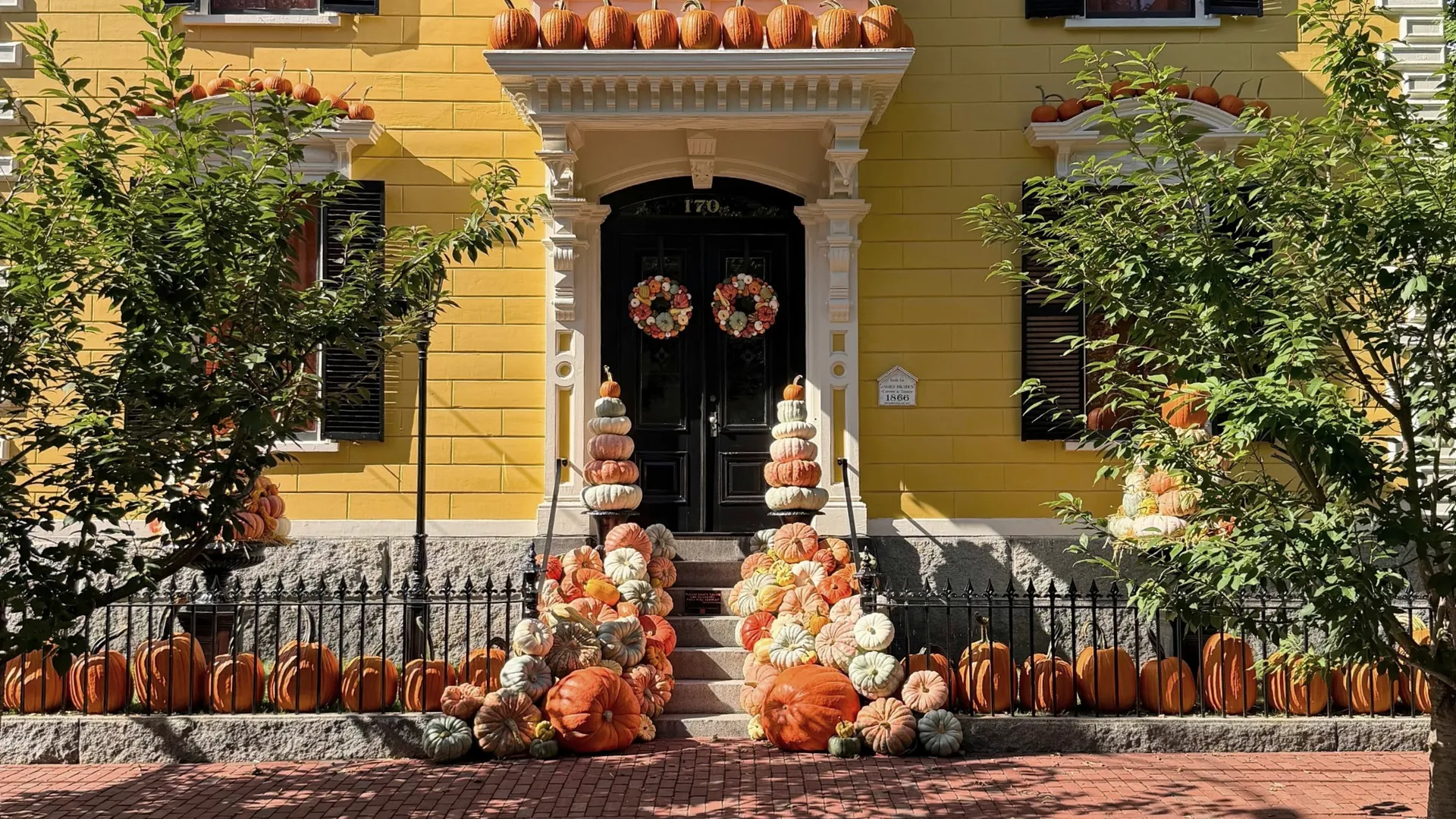
Witches, warlocks and people in costume start showing up in September, before Haunted Happenings officially begins. Then October arrives and everything gets bigger. Essex Street fills up, the Common gets busy and people who live in Salem start planning when to cross town. The traffic on Route 114 is scarier than anything on Essex Street.
But Halloween in Salem and the Salem witch trials aren’t the same story. For the trials, go a few miles up the road to what was Salem Village and is now mostly Danvers.
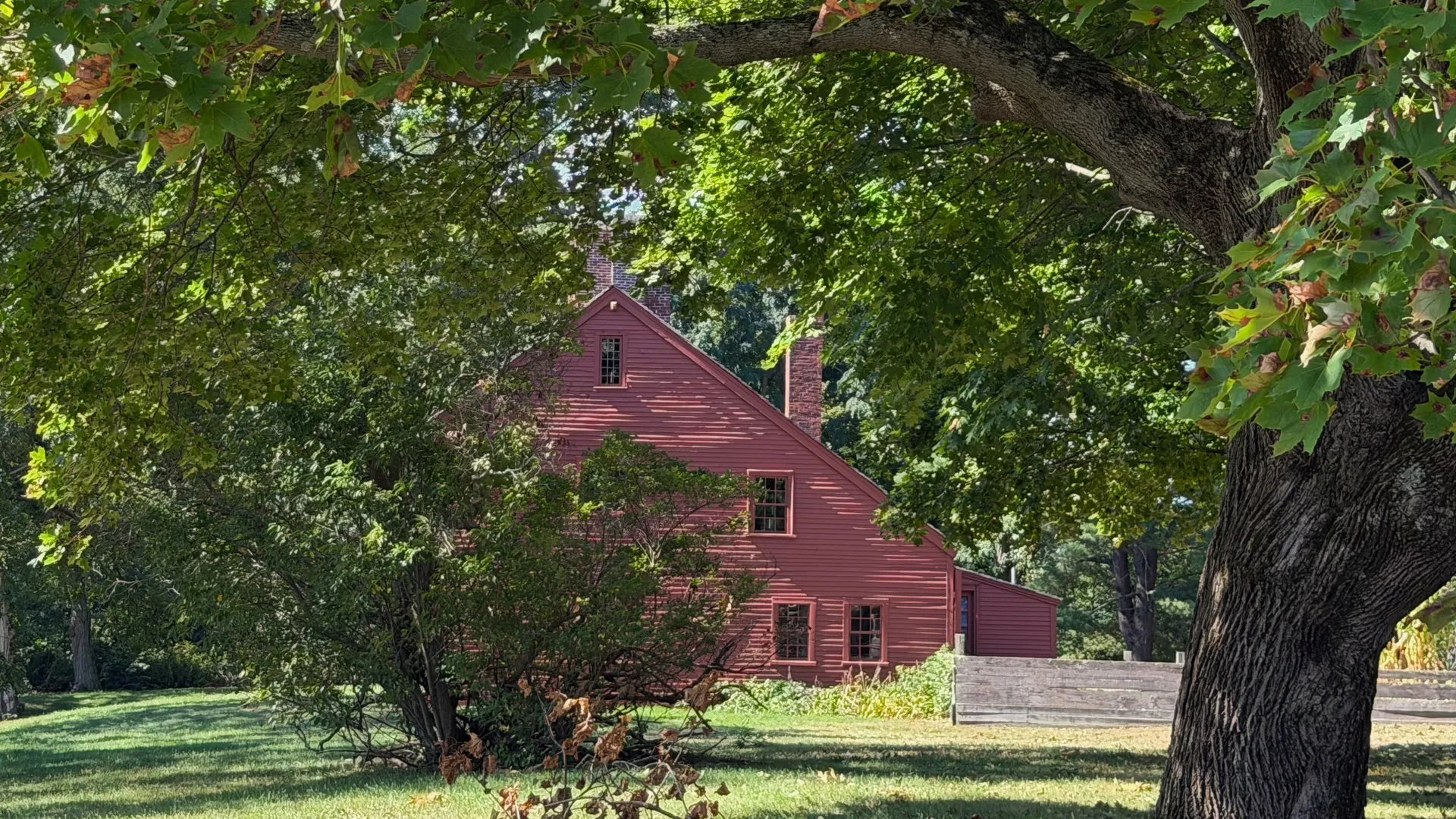
Rebecca Nurse was 71 when she was arrested in 1692. The house where she lived still stands on Pine Street.
The jury first came back not guilty. The court sent them out again, and they returned a conviction. She was hanged that July.
Her sister Mary Eastey was hanged that September. A third sister, Sarah Cloyce, was accused and survived.
In 1712 the Salem church reversed Rebecca Nurse’s excommunication. The minister who led that service was the one who had excommunicated her.
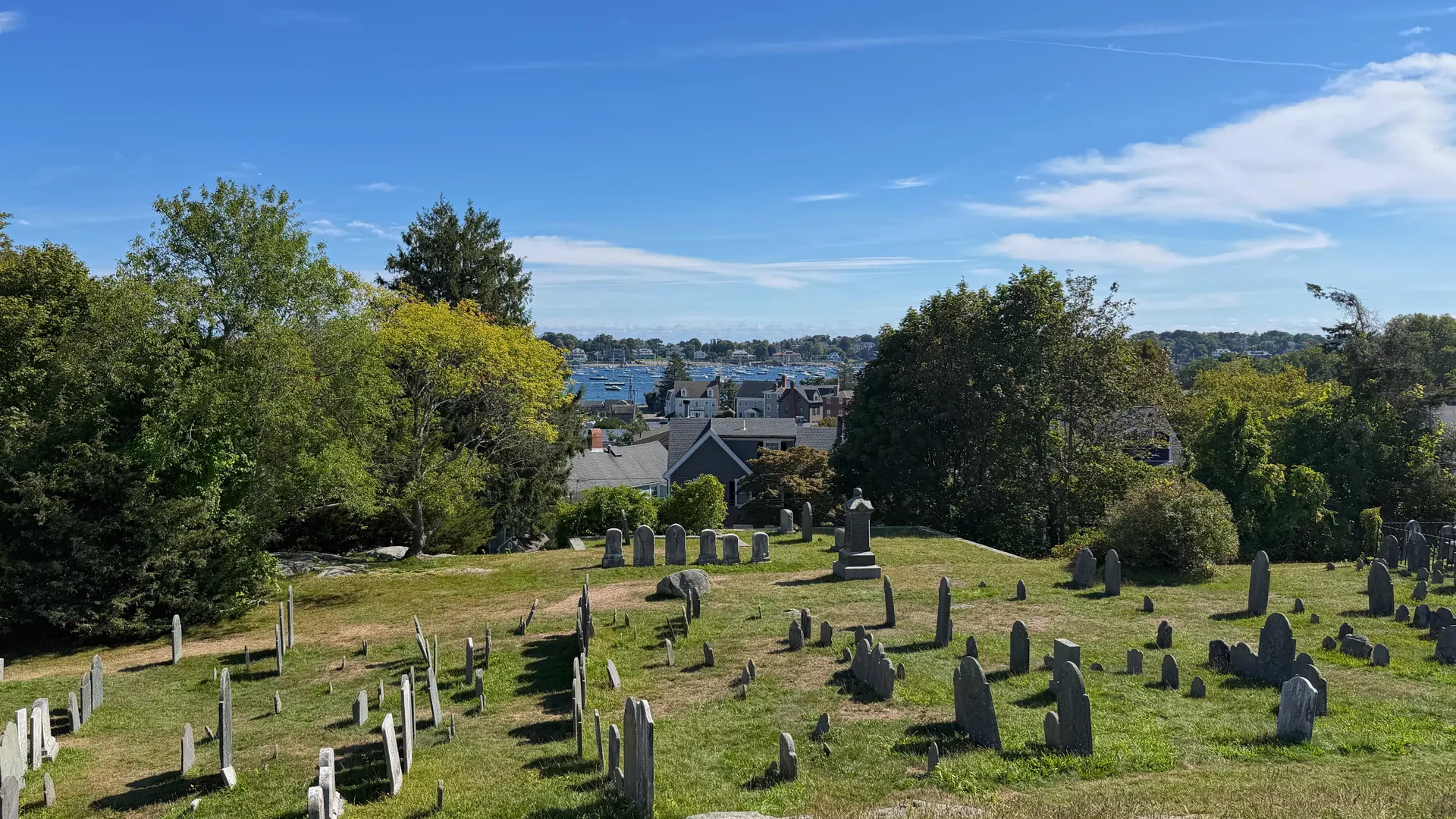
Old Burial Hill rises between Marblehead Harbor on one side and Redd’s Pond on the other, with slate gravestones dating to the 1600s and paths climbing between them.
Look closely at the carvings: skulls, angels and hourglasses.
A memorial there remembers Wilmot Redd, the only person from Marblehead executed in 1692. Where she’s buried is unknown.
The daytime cemetery scenes in Hocus Pocus were filmed here.
Salem is less than five miles away. It feels much farther.
Make a Saturday of it: the Rebecca Nurse Homestead in Danvers, a Beef in Marblehead, then Old Burial Hill in the late afternoon.
Before the books, Jack Kerouac was a Lowell High halfback whose football got him to Columbia. He left Lowell, but five of his novels draw on the city, and every October readers come back for Lowell Celebrates Kerouac: walks, readings, music and talks through the neighborhoods that ended up in his books.
The festival started in summer, then moved to October because of a line in On the Road about everybody going home in October.
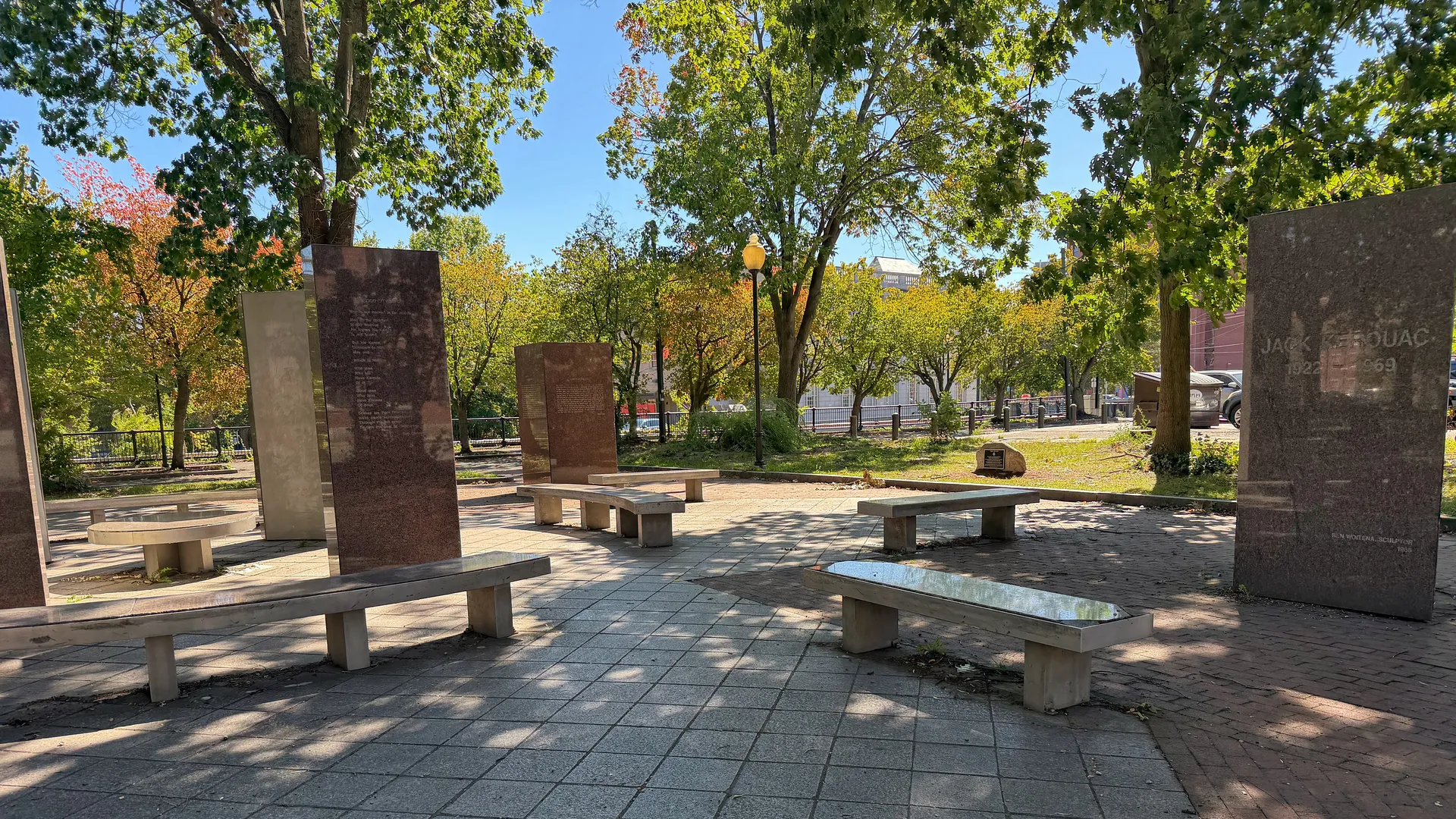
Kerouac’s words carved in granite in downtown Lowell, with the city that shaped them all around.
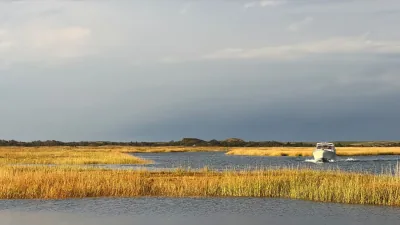
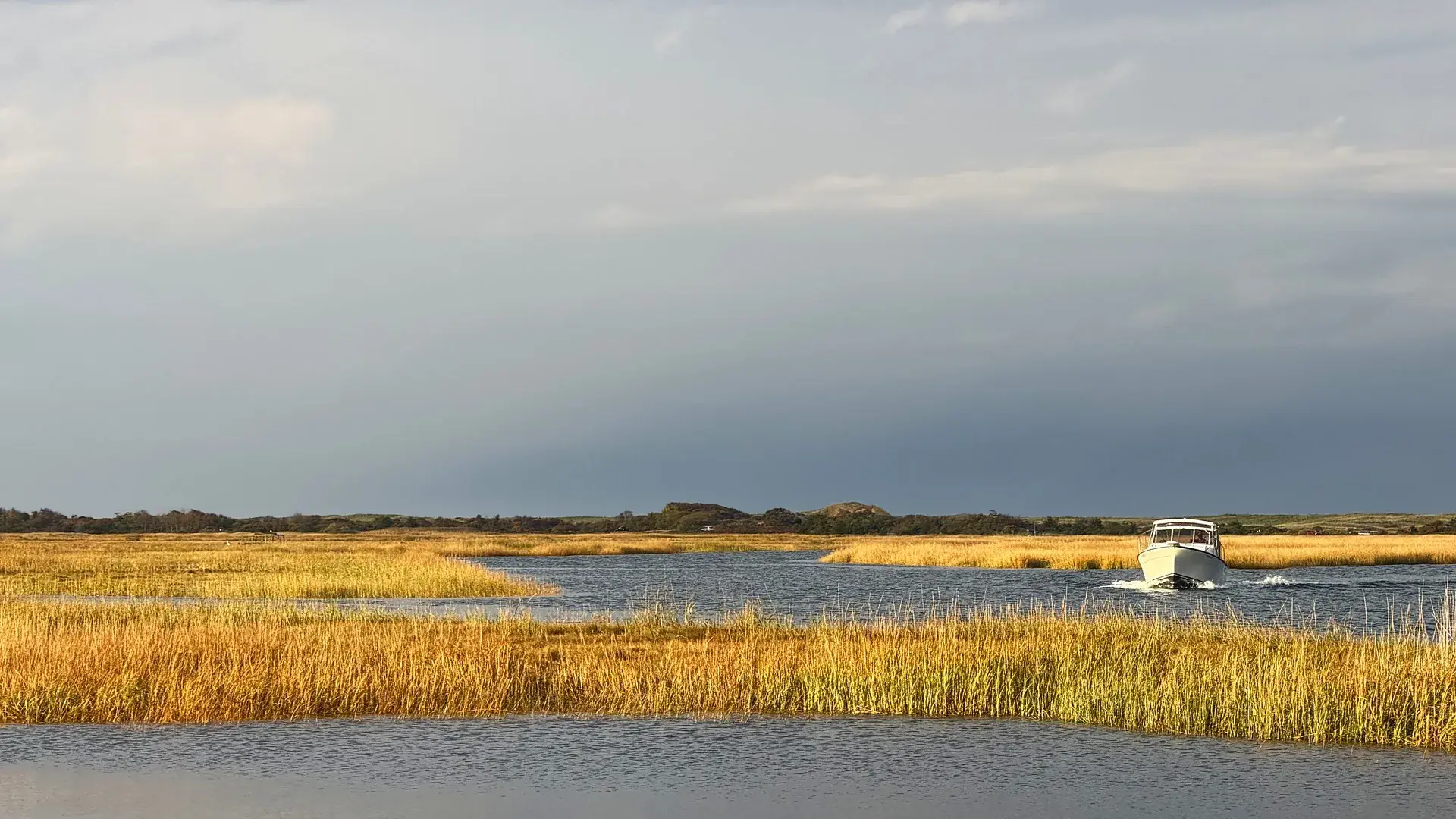
The drive out to Plum Island crosses open salt marsh and the drawbridge over the Plum Island River, and by October the marsh has turned gold, brown and red. Inside the refuge, fall migration is moving through. Shorebirds work the salt pannes along the refuge road and waterfowl fill the impoundments at Hellcat, and by mid-October northern gannets are diving offshore. More than 300 bird species have been recorded here.
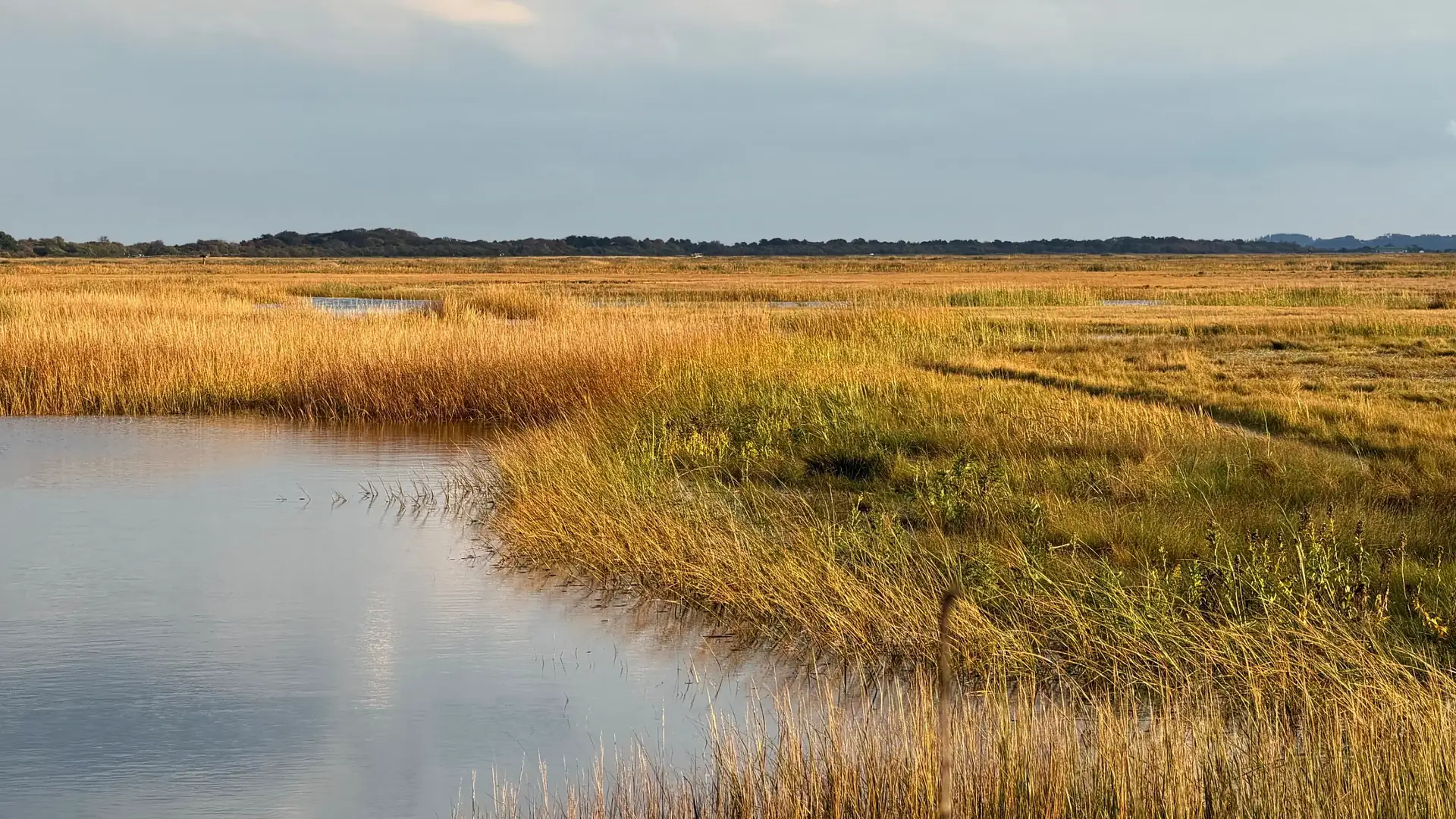
Fall migration on Plum Island, with miles of salt marsh turning color around it.
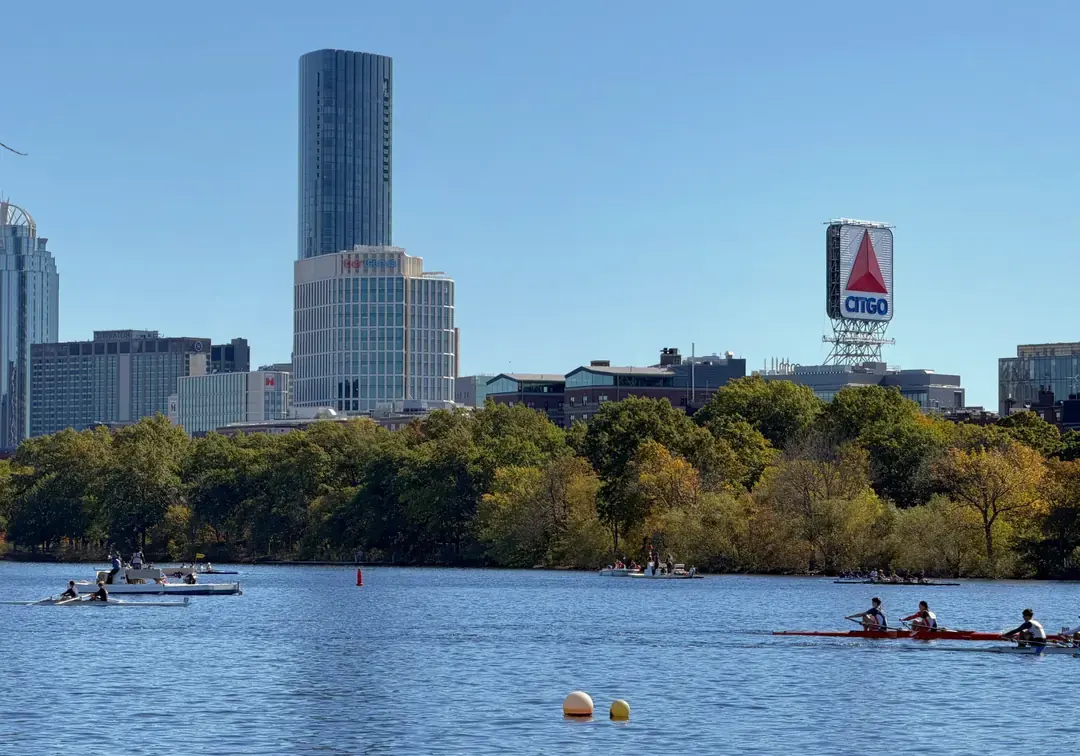
A Beef goes with any game on TV this time of year, from the Patriots to the Bruins, and on a cold day the white paper doesn’t stay white for long. Two fall traditions get people off the couch: the Head of the Charles in October and the rivalry games on Thanksgiving morning.
The Head of the Charles Regatta started in 1965, when a Harvard sculling instructor suggested a “head of the river” race on the Charles, like the ones in his native England. Boats start one at a time, about 15 seconds apart, and race the clock over a three-mile course through seven bridges between Cambridge and Boston. Nearly 12,000 rowers race over one October weekend, from high school crews to club and college boats to Olympians. The winner of each race earns the title Head of the Charles. The Log has the full story: The Head of the Charles, From the Beef Country Side of the River.
Malden and Medford have played on Thanksgiving morning since 1889, and Beverly-Salem, Newburyport-Amesbury and Winchester-Woburn all date to 1891. The stands fill with people who played in these games, watched their kids play in them or grew up knowing exactly which side they were on. Plenty of them came home the night before and went straight for a Beef, often with a visiting friend who’d never had one. Bring coffee and another layer.
Then everybody goes home and eats.
Dates change. Check with the event before you go.
October
November
What’s set for fall 2027 so far. Most events announce their dates closer to the season, so confirm on the linked page before heading out.


One week the sweater comes off at noon, and a few weeks later it's dark before dinner. The apples get picked, the leaves come down, and Salem goes back to being Salem. By the Thanksgiving game, the hats and gloves are out, and they'll stay out until April. The snowy owls come back to Plum Island. The Beef counters never closed.
That's fall. The Winter Guide is coming, and Rare Mail gets it first.
